Featured Articles
- 7 Breakthrough Wireless Earbuds Released Since 2019 That Redefine Sound Quality and Value
- Beyond Numbers: Discovering Hidden Narratives in Market Analysis Through Behavioral Economics
- Silent Signals: Unearthing the Hidden Influencers of Market Trends in the Age of Digital Noise
- The Surprising Impact of Nostalgia Marketing: A Deep Dive into Consumer Spending Trends Post-Pandemic
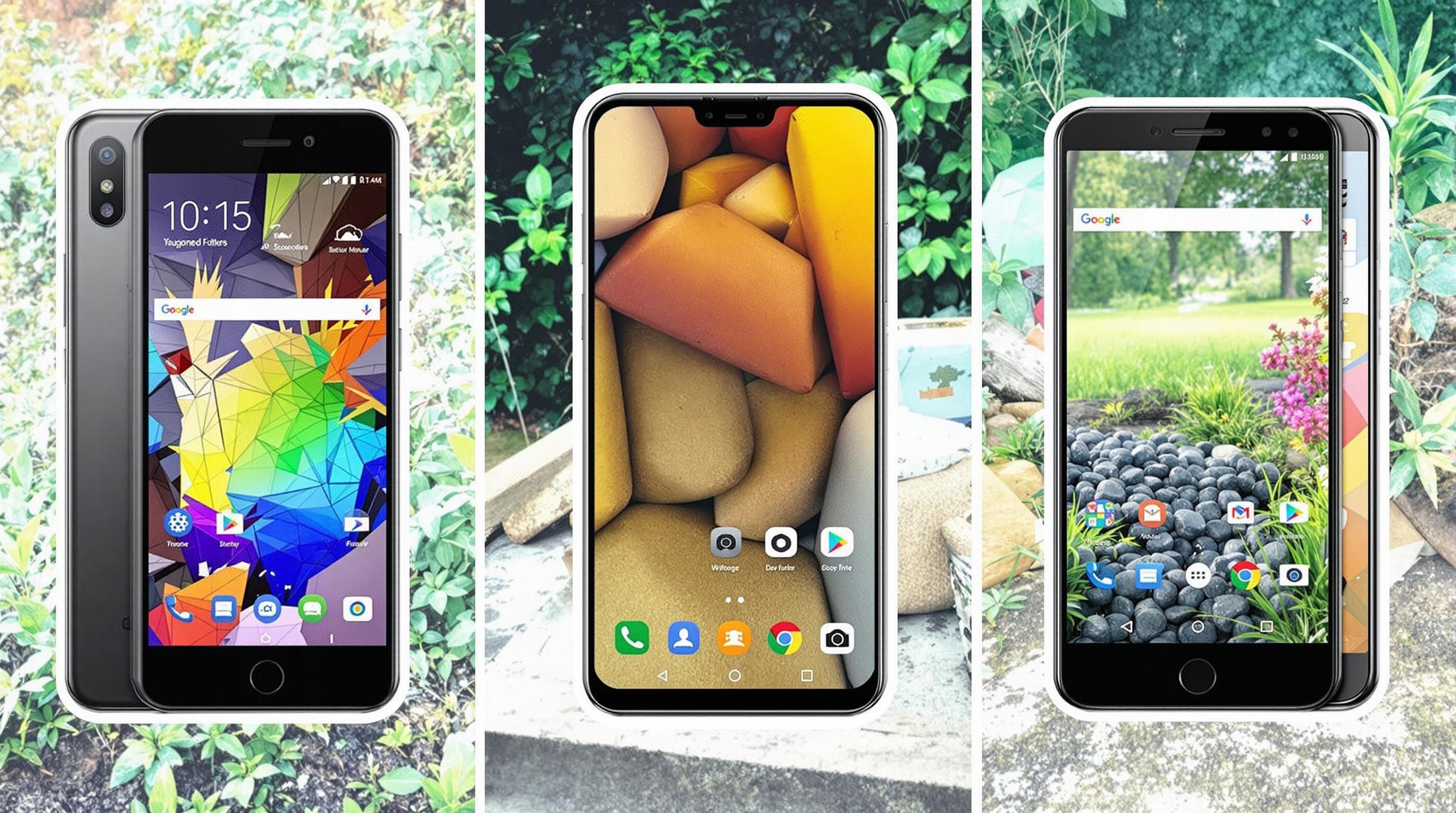
- Top 6 Eco-Friendly Smartphones Launched Since 2019 That Challenge Industry Giants and Sustainability Norms
"Unveiling the Shadows: How Psychological Market Trends Influence Consumer Behavior in Unseen Ways"
"Unveiling the Shadows: How Psychological Market Trends Influence Consumer Behavior in Unseen Ways"
Understanding psychological market trends is crucial for decoding consumer behavior in ways that often go unnoticed. By delving into the unseen forces driving purchasing decisions, businesses can elevate their marketing strategies and connect more adeptly with their audiences.
The Invisible Forces of Consumer Behavior
Picture this: you walk into a grocery store, and the shelves are meticulously organized. The fruits glisten, the meats are artfully displayed, and as you stroll through the aisles, a subtle yet persistent background music lingers in the air, *not too loud, not too soft*. This is more than mere decoration; it's a carefully orchestrated symphony meant to manipulate your emotions and influence your choices. A study published in the *Journal of Consumer Research* found that background music can significantly affect the time customers spend in a store and their overall spending behavior (Bruner, 1990).
The Science Behind Color Psychology
Ever noticed how fast-food restaurants often use red and yellow in their branding? These colors are not chosen arbitrarily; they are incredibly strategic. Red stimulates appetite, while yellow evokes feelings of joy and happiness. This is grounded in color psychology, which suggests that colors significantly influence consumer emotions and purchasing decisions. A study by the Institute for Color Research revealed that color accounts for 60% of the acceptance or rejection of a product (Labrecque & Milne, 2013). So, the next time you feel compelled to grab a burger, you might want to give a nod to those vivid colors!
The Power of Social Proof
Have you ever bought something simply because your friend raved about it? This phenomenon, known as social proof, plays a massive role in consumer behavior. According to a study by Nielsen, 92% of consumers trust recommendations from friends and family more than any form of advertising (Nielsen, 2012). Harnessing this idea, brands are increasingly leveraging influencer marketing, where social media users promote products to their followers. Whether it's a beauty product endorsed by a popular YouTuber or the luxurious vacation experience shared by an Instagram influencer, social proof can lead to significant increases in sales.
Creating Emotional Connections Through Storytelling
One of the most effective ways to make a lasting impression is through storytelling. For example, consider Nike's iconic "Just Do It" campaign. They don’t just sell shoes; they sell a lifestyle of determination and motivation. The powerful narratives behind their advertisements resonate deeply with consumers, creating an emotional connection and prompting action. *A study in the Harvard Business Review noted that emotional connections with a brand can lead to customer loyalty and increased sales* (Woodruff & Gardial, 1996). So, next time you’re creating ads, think of weaving in a story that makes people feel.
Scarcity: The Fear of Missing Out
Let’s shift gears for a second. You’ve probably seen phrases like "limited edition" or "only a few left!" on various products. This tactic plays on the psychology of scarcity, which creates a sense of urgency among consumers. When people believe that they might miss out on something, they are much more likely to act quickly. Research by Cialdini shows that scarcity is one of the key principles of persuasion (Cialdini, 2006). The trick? Make your audience feel like they need to get it now or never!
Consumer Behavior Across Generations
Generational differences also significantly influence consumer behavior. For instance, Baby Boomers may prioritize quality and brand loyalty, while Millennials and Gen Z often seek values like sustainability and social impact. A 2020 report by McKinsey found that 75% of Millennials are willing to pay more for products from sustainable brands (McKinsey & Company, 2020). So, if your target audience is younger consumers, ensure your marketing efforts align with their values and preferences.
The Unseen Influence of Anchoring
Have you ever walked into a store and immediately saw a product with a big “50% OFF” sign? Chances are, you were being influenced by the anchoring effect. This cognitive bias causes consumers to rely heavily on the first piece of information they receive when making decisions. For example, if a shirt is marked as $100 but is on sale for $50, it’s hard to look at the shirt in any other light. The original price (the anchor) makes the sale seem even more enticing. A study conducted by Tversky and Kahneman revealed that anchoring can significantly impact consumer pricing judgments (Tversky & Kahneman, 1974).
FoMO: The Modern-Day Consumer's Challenge
Now, let’s talk about a contemporary phenomenon known as FoMO (Fear of Missing Out). In a world saturated with social media, the desire to not miss out can be overwhelming. Brands capitalize on this by creating campaigns that evoke a sense of urgency or exclusivity. A 2017 study noted that 69% of millennials reported being affected by FoMO when shopping, impacting their decision-making process (Harris et al., 2017). By crafting messages that speak to this fear, brands can engage consumers more deeply, tapping into their innate desire to belong.
Conclusion: Harnessing the Power of Psychology in Marketing
In the vast world of consumer behavior, psychological market trends lurk in the shadows, subtly influencing decisions in ways we might not even recognize. By understanding and leveraging these psychological triggers—color, social proof, storytelling, scarcity, and emotional connections—brands can craft marketing strategies that significantly resonate with their audience. The next time you're making a purchasing decision or crafting a marketing campaign, remember, *it's not just about the product; it's about the story, the emotions, and how effectively you connect with consumers on a deeper level.*
Final Thoughts: The Art of Understanding Consumers
As a 29-year-old marketer, I've seen firsthand the bewildering and fascinating interplay between psychology and consumer behavior. We live in a world where tiny cues can lead to significant shifts in purchasing decisions. Whether you’re a marketer aiming to tap into these strategies or a consumer seeking to understand your own choices, it’s essential to recognize the underlying psychological mechanisms at work. Remember, every choice you make—whether as a buyer or a seller—is an opportunity to connect, understand, and ultimately influence the world around us.
Related Articles