Featured Articles
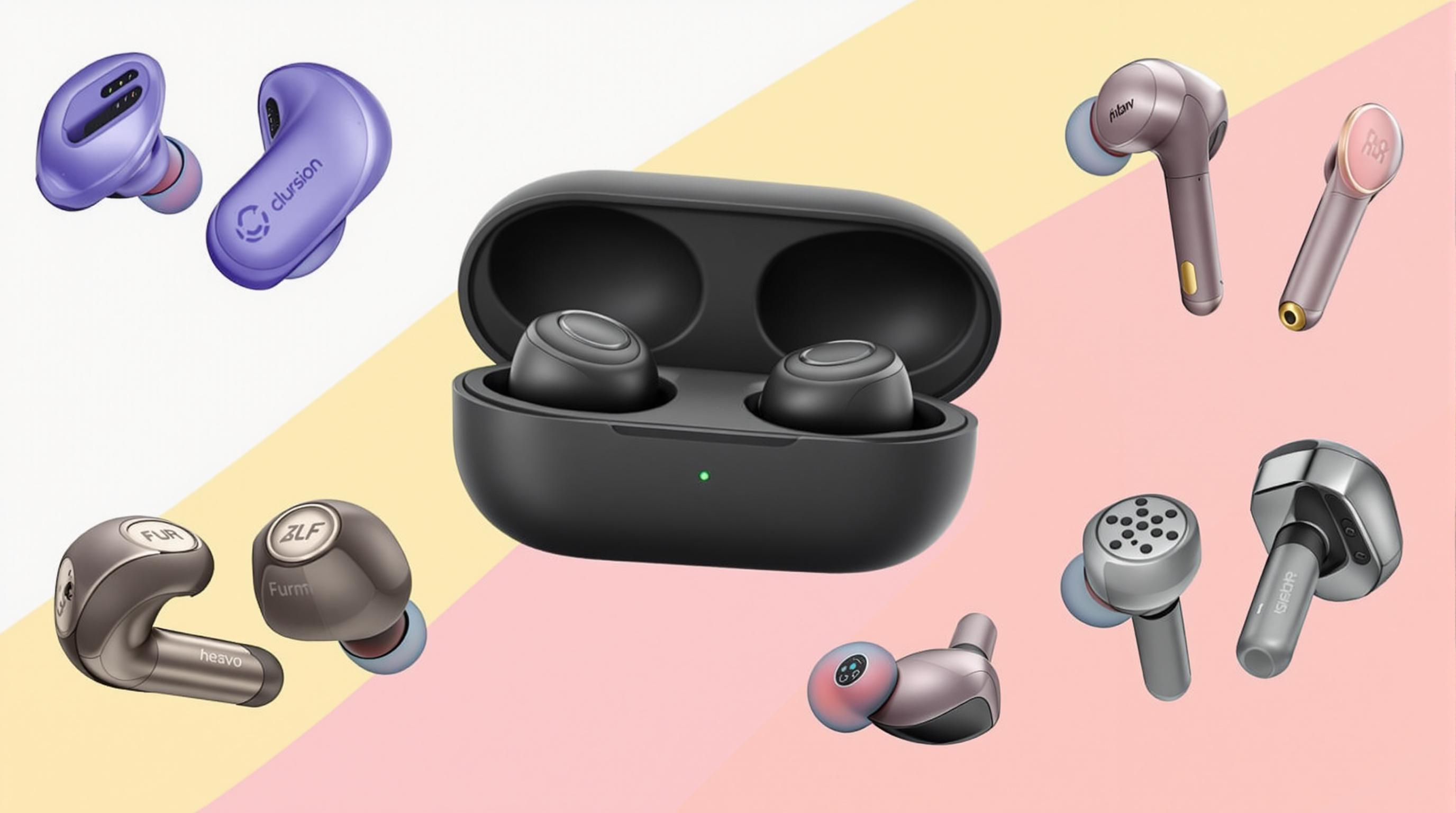
- 7 Breakthrough Wireless Earbuds Released Since 2019 That Redefine Sound Quality and Value
- Beyond Numbers: Discovering Hidden Narratives in Market Analysis Through Behavioral Economics
- Silent Signals: Unearthing the Hidden Influencers of Market Trends in the Age of Digital Noise
- The Surprising Impact of Nostalgia Marketing: A Deep Dive into Consumer Spending Trends Post-Pandemic
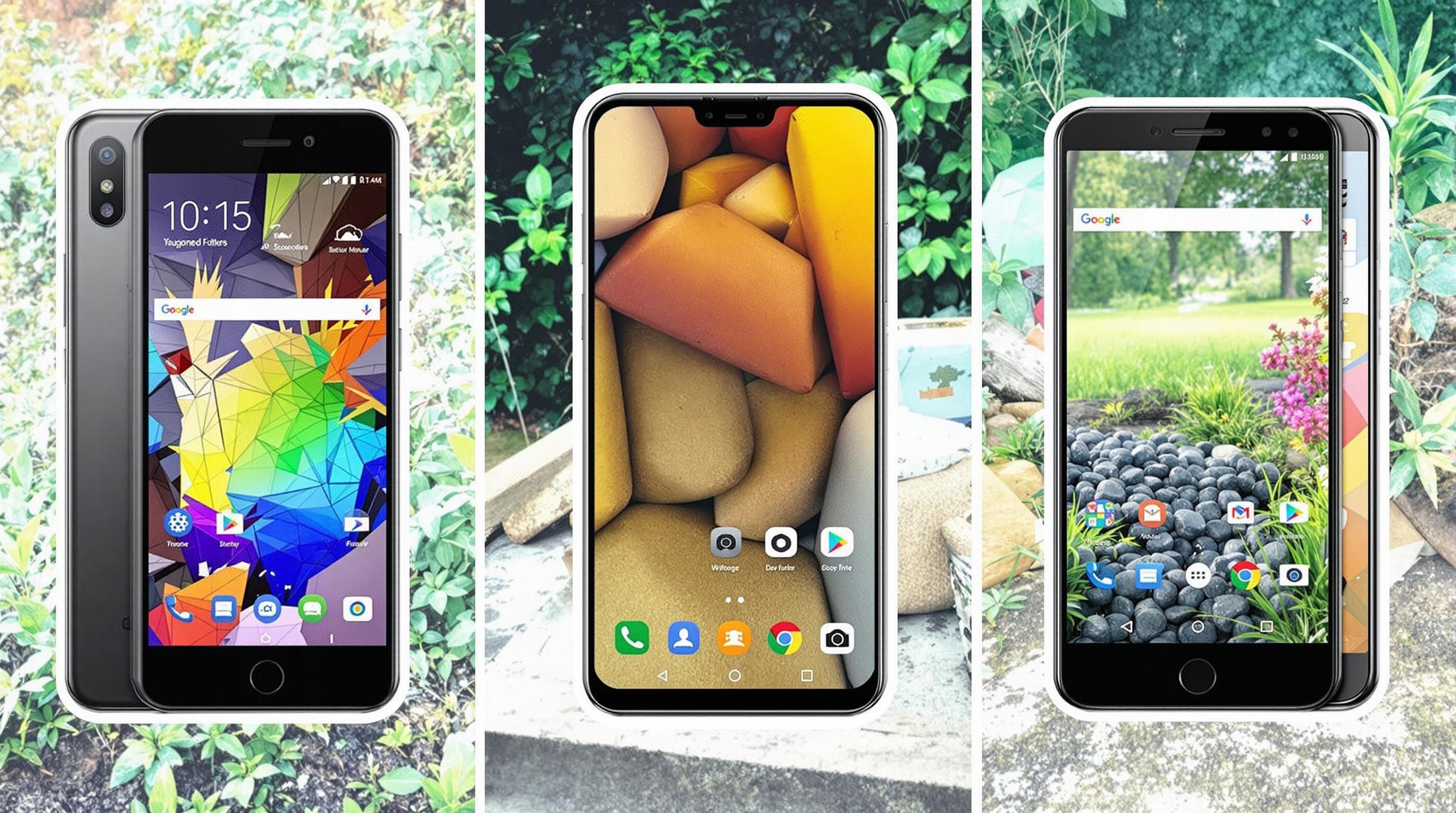
- Top 6 Eco-Friendly Smartphones Launched Since 2019 That Challenge Industry Giants and Sustainability Norms
The Surprising Impact of Nostalgia Marketing: A Deep Dive into Consumer Spending Trends Post-Pandemic
The Surprising Impact of Nostalgia Marketing: A Deep Dive into Consumer Spending Trends Post-Pandemic
Nostalgia marketing has taken center stage in the post-pandemic era, driving a resurgence in consumer spending trends across various demographics. By tapping into fond memories and experiences, brands are not just selling products, but also emotional connections that resonate deeply with consumers of all ages.
The Resurgence of Nostalgia Post-Pandemic
As the world slowly emerged from the restrictions of the pandemic, consumers found themselves yearning for comfort and familiarity. According to a study by the Institute of Practitioners in Advertising, 42% of consumers reported feeling nostalgic during the pandemic, leading brands to lean heavily into nostalgia marketing strategies.
What is Nostalgia Marketing?
Nostalgia marketing refers to the practice of using nostalgic elements, such as references to pop culture, retro visuals, and classic themes, to evoke emotional responses from consumers. It's not just about selling a product; it's about selling a memory. Think back to the 1980s and 1990s—the era of iconic cartoons, music playlists, and classic films. Marketers are now strategically using these elements in their campaigns.
The Psychology Behind Nostalgia
Why does nostalgia hold such power? Psychological studies show that nostalgia can create feelings of warmth, comfort, and belonging. According to research published in the Journal of Consumer Research, nostalgic feelings can inspire a greater emotional connection to brands, leading to higher loyalty and spending. In fact, nostalgic advertising can increase willingness to pay for a brand's product by up to 30%!
Case Studies: Triumphs of Nostalgia Marketing
One of the most successful examples of nostalgia marketing came from Pepsi, which revived its popular "Pepsi Challenge" ads in 2021. The campaign invited consumers to participate in blind taste tests reminiscent of the original ads from the 1980s. Sales spiked by 15% as consumers embraced the vintage charm and recalled memories tied to shared experiences. The connection was instant, driving younger consumers to explore a taste profile their parents often reminisced about.
Similarly, the return of the Nintendo Switch consoles with classic game themes resonated uniquely with a generation that grew up playing Mario and Zelda. By appealing to the nostalgia of their core audience, Nintendo not only boosted sales but also strengthened brand loyalty among users who passed on their gaming love to their children.
Is Age Just a Number in Nostalgia Marketing?
Nostalgia marketing isn’t strictly age-dependent; it can resonate with various age groups in different ways. For example, 16-year-olds may feel nostalgia for less than a decade ago—think early 2010s memes and games. On the flip side, those in their 40s might find joy in the simpler pleasures of the 80s. Tapping into shared cultural touchstones engages audiences across age demographics, making nostalgic strategies a powerful tool for brands.
The Impact of Social Media
Social media plays a pivotal role in the resurgence of nostalgia marketing. Platforms like TikTok and Instagram have seen a surge in users sharing ‘Throwback’ content, leading to brand campaigns using retro filters and old-school themes. Brands like Old Spice have adapted their products and advertisements to leverage this trend, driving engagement and sparking discussions among consumers. In just 2022, nostalgic trends on TikTok accounted for over 1 billion views combined with retro product promotions, demonstrating its influence on shopping behaviors.
Consumer Spending Trends: The Numbers Speak
Is nostalgia a key driver behind the notable changes in consumer spending? A survey by Mintel found that 57% of respondents have spent more on nostalgic products compared to pre-pandemic spending levels. This spending trend reflects the desire for comfort and the familiar, pushing brands to adapt their strategies accordingly to maintain relevance.
Storytelling: Crafting a Narrative
Effective nostalgia marketing often utilizes storytelling, drawing consumers in with personal tales and experiences related to past generations. Take a stroll down memory lane with brands like Coca-Cola, which frequently invokes storytelling focused on holiday ad campaigns. By opting for limited-edition nostalgia-themed packaging, they drive both excitement and a surge in sales. In 2021, Coca-Cola reported a 10% increase in sales during the holiday season, directly attributed to their nostalgic marketing strategy.
Pushing the Boundaries: Beyond Traditional Nostalgia
Even as trends evolve, brands are not limited to traditional nostalgic references. Some companies are blending nostalgia with modern elements, enhancing the connection without being stuck in the past. Brands like Panda Express have successfully integrated hybrid designs into their restaurants, merging nostalgic vibes with digital innovations. Their “Nostalgia Noodle Bowl” played off age-old cultural connections while attracting tech-savvy millennials and Gen Z, proving that a fresh approach can yield impressive results.
Consumer Behavior: Loyalty and Engagement
Interestingly enough, nostalgia marketing is not just about making sales; it’s also about cultivating brand loyalty. A report from Harris Poll indicates that consumers who engage with nostalgic branding are 60% more likely to repurchase from that brand. By establishing deeper emotional connections, companies are fostering community and belonging amongst consumers, a necessity echoed through the isolation experienced during the pandemic.
The Future of Nostalgia Marketing
What lies ahead for nostalgia marketing? As generational changes take hold, the nostalgic themes that resonate will inevitably shift. Brands must remain vigilant, understanding evolving cultural references and adapting their strategies to previous decades that resonate with new consumer cohorts. Brands such as Crocs have shown that with creative collaborations (like their partnership with Bad Bunny), even classic symbols of nostalgia can become relevant and stylish again.
Humor and Whimsy in Nostalgia
Let’s not forget that humor plays a crucial role in nostalgia marketing. If a brand can evoke laughter while stirring fond memories, it creates a potent combination! Commercials showcasing nostalgic moments, like a kid struggling with a giant bag of Jell-O (thank you, 90s kids), can brighten anyone’s day and encourage spending. Laughter combined with nostalgia can ignite engagement and make consumers feel good about their purchases.
Conclusion: A Cautious Nostalgic Approach
In a world that continues to recover from a global pandemic, nostalgia marketing proves to be a powerful influence over consumer spending trends. By crafting emotionally resonant narratives and understanding the psychological mechanics behind nostalgia, brands can successfully engage customers of all ages. However, a cautious approach is crucial; over-reliance on nostalgia may lead to stagnation. Thus, brands must strive to innovate while keeping their roots intact, ensuring they remain relevant in the ever-shifting landscape of consumer preferences.
As we move into the future, one thing is sure: nostalgia will play a pivotal role in how brands inspire spending trends amongst consumers. So next time you make a purchase, ask yourself: Is that product filling a need or just giving me a sweet walk down memory lane?
Related Articles