Featured Articles
- 7 Breakthrough Wireless Earbuds Released Since 2019 That Redefine Sound Quality and Value
- Beyond Numbers: Discovering Hidden Narratives in Market Analysis Through Behavioral Economics
- Silent Signals: Unearthing the Hidden Influencers of Market Trends in the Age of Digital Noise
- The Surprising Impact of Nostalgia Marketing: A Deep Dive into Consumer Spending Trends Post-Pandemic
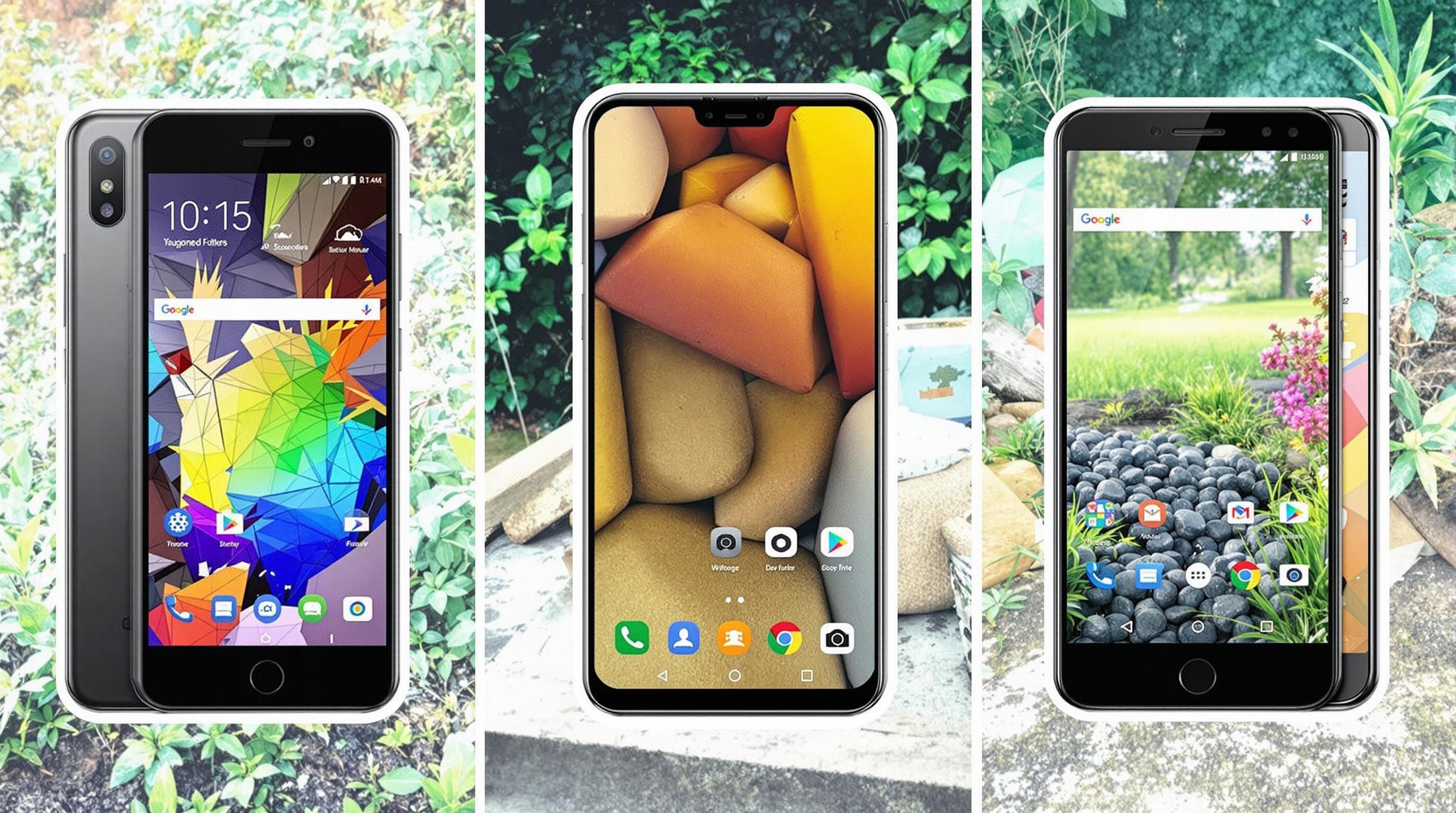
- Top 6 Eco-Friendly Smartphones Launched Since 2019 That Challenge Industry Giants and Sustainability Norms
Top 6 Eco-Friendly Smartphones Launched Since 2019 That Challenge Industry Giants and Sustainability Norms
Top 6 Eco-Friendly Smartphones Launched Since 2019 That Challenge Industry Giants and Sustainability Norms
Since 2019, several innovative smartphones have emerged that not only rival industry giants but also push the boundaries of sustainability in tech. This article explores six groundbreaking eco-friendly phones that challenge conventional manufacturing and consumption norms.
Hey there! Ever stopped to think about the environmental footprint of your smartphone? Well, turns out that some companies are waking up to this reality and crafting devices that don’t just wow you with specs but also tread lightly on our planet. Ready to geek out on green tech? Let’s dive into the top eco-friendly smartphones launched since 2019 that are giving the big players a run for their money.
Fairphone 3 and 3+
Picture this: a phone designed with modularity at its core, meaning you can easily swap out parts like the battery, screen, or camera. The Fairphone 3 (released in 2019) and its upgrade, the Fairphone 3+ (in 2020), have truly revolutionized how we think about phone repair and longevity. This modular design significantly reduces electronic waste by extending the usable life of a device.
What's more, Fairphone prides itself on using conflict-free minerals and sourcing materials ethically, aiming to uplift worker conditions and reduce environmental harm. In fact, 40% of the plastic used in Fairphone 3’s casing is recycled, showing a commitment to circular economy principles. For those who care about social justice and sustainability as much as specs, Fairphone offers a compelling choice.
Samsung Galaxy S20 FE: Eco-Conscious Meets Mainstream
While Samsung may often be seen as an industry titan, the release of the Galaxy S20 Fan Edition (FE) in 2020 showcased how major brands can incorporate eco-friendly practices. Samsung applies recycled ocean-bound plastics in the casing, with roughly 20% of the material being sourced from waste that would otherwise pollute marine environments.
This not only helps reduce the plastic problem in oceans — where about 8 million metric tons are dumped annually — but also sets a new example of corporate responsibility. Plus, the S20 FE doesn’t compromise on performance, packing flagship-level hardware at a reasonable price.
Case Study: Shift6m Smartphone
Let’s take a moment to examine the German-made Shift6m, a phone that is not just eco-friendly but also extremely user-friendly for repairs. Released in 2019, the Shift6m features an impressively modular design, wherein 90% of the components can be replaced or upgraded, practically turning your phone into a lifelong companion.
What's remarkable is the transparency Shift GmbH offers around the carbon footprint of each phone sold—approximately 40 kg CO2, compared to the industry average for smartphones, which can exceed 70 kg. The company maintains high working standards and employs fair-trade minerals, setting a benchmark for sustainable manufacturing in the industry.
The Puzzle of Rare Earth Minerals
Speaking about sustainability, the mining of rare earth minerals for smartphones often devastates local ecosystems and communities. However, phones like the Teracube 2e (released in 2020) tackle this issue head-on by prioritizing a longer product life cycle. Teracube guarantees four years of warranty and offers comprehensive repairability, reducing demand for newly mined materials.
In an age where the average smartphone is replaced every 2 years or less, Teracube’s approach could prevent thousands of tons of e-waste annually. This move toward sustainability fits perfectly with the growing global e-waste problem, which the United Nations reports reached 53.6 million metric tons in 2019.
Google Pixel 5: Sustainability at Scale
Google’s Pixel 5, launched in late 2020, incorporated several sustainability features, including a case made from 100% recycled plastic. Even better, Google moved to reduce carbon emissions during manufacturing and optimized the packaging to use recycled materials and reduce waste.
The shift shows how even larger corporations can embed sustainable principles into their flagship products. With over 1.3 billion smartphone users worldwide, such efforts can have a seismic impact on global resource consumption.
Humor Break: The Eco-Friendly Phone That Could Save Your Planet and Your Wallet
Imagine telling your friends you switched to an eco-friendly smartphone just to stop from throwing your money down an e-waste drain. "Oh, you know, I'm just reducing my carbon footprint — and my texting footprint!" The Teracube 2e might not be the flashiest phone on the block, but when your great-grandkids look back at your legacy, they’ll thank you for choosing the planet over the next selfie upgrade.
Case Study: The Light Phone II
If minimalism and sustainability had a love child, it would be the Light Phone II. Launched in 2019, this unique device embraces the philosophy of "less is more," featuring basic calling, texting, and an alarm, but deliberately avoiding the addictive nature of apps and social media. Its chassis uses recycled materials and is designed to last, challenging the consumer culture of constant upgrades.
Interestingly, this phone appeals especially to mindfulness seekers and environmentalists, with anecdotal evidence suggesting users experience less screen fatigue and more intentional living.
A Persuasive Note on Consumer Responsibility
Choosing one of these eco-friendly smartphones isn’t just a tech decision; it’s a statement. By opting for devices built from recycled materials, designed for repair, and assembled through ethical labor, consumers actively participate in a sustainable narrative. It’s estimated that if just 10% of smartphone users worldwide invested in longer-lasting or modular devices, we could prevent millions of tons of e-waste each year.
So, whether you’re a teen hunting for your first phone or a seasoned user upgrading to something smart and green, the impact of your choice ripples across communities and ecosystems globally.
Conclusion
From modular giants like Fairphone and Shift to minimalist marvels like the Light Phone II, and mainstream efforts by Samsung and Google, the last few years have introduced a variety of smartphones that embody eco-conscious innovation. These devices challenge entrenched industry practices by focusing on repairability, recycled materials, and longer warranties.
As environmental concerns escalate, these phones are not just gadgets but symbols of a movement toward a more sustainable digital future.
Sources:
— United Nations University, Global E-waste Monitor 2020
— Fairphone Official Website
— Samsung Sustainability Report 2020
— Shift GmbH Sustainability Data
— Teracube Warranty and Repair Information
— Google Environmental Report 2020
Related Articles