Featured Articles
- 12 Essential Financial Tools to Optimize Tax Strategies and Maximize Year-End Savings
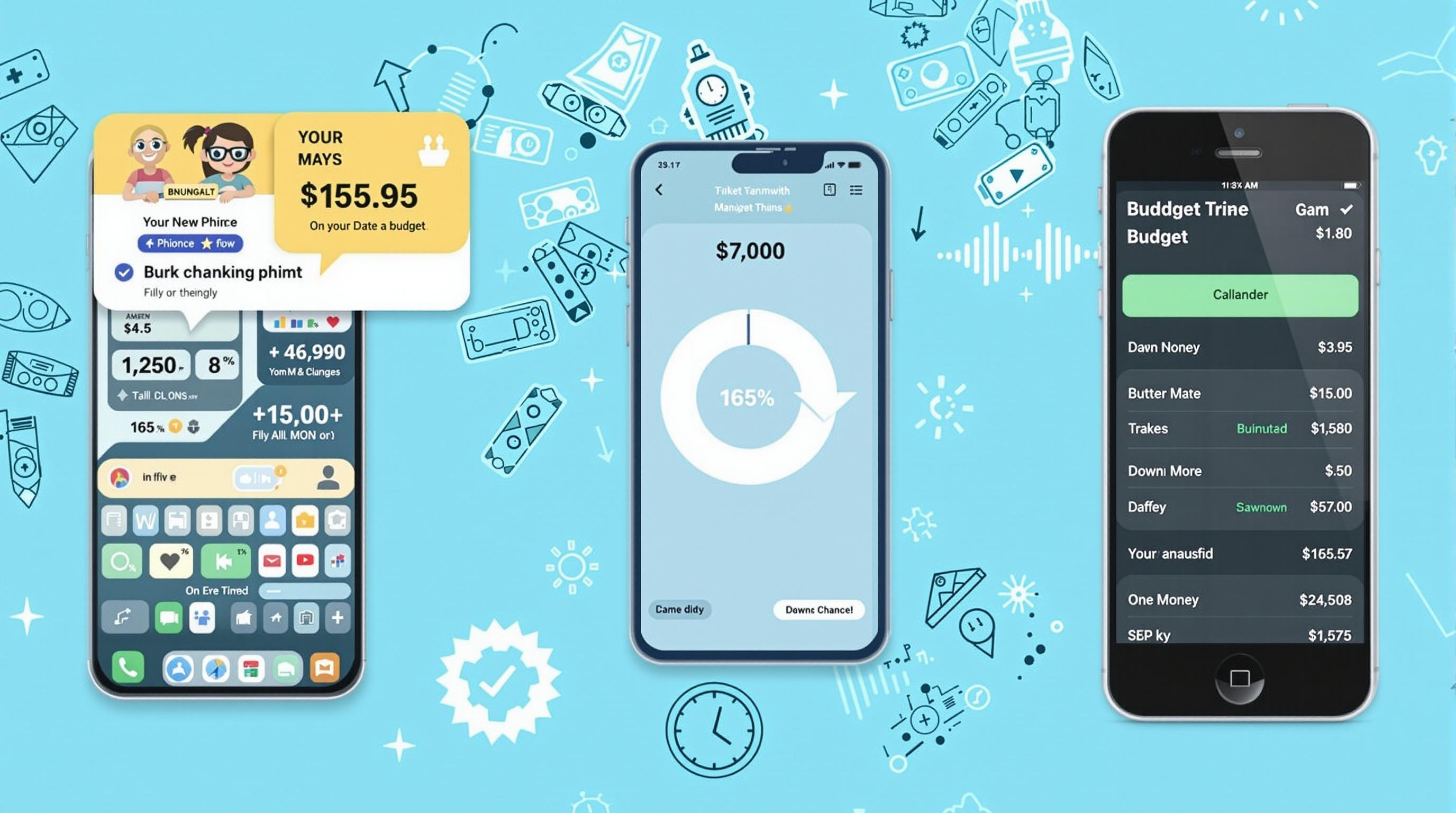
- 7 Game-Changing Budget Apps Released in the Last Five Years That Are Turning Money Management Upside Down
- How Ancient Calculation Methods Inspire Modern-Day Money Management Practices Beyond Technology
- The Dark Side of Financial Tools: Navigating Hidden Fees and Surprising Costs in Personal Finance Apps
- The Rise of AI in Personal Finance: Are Robo-Advisors Really the Future or Just a Passing Trend?
Unlocking Financial Freedom: How Gamification is Transforming Personal Finance Management Tools
Unlocking Financial Freedom: How Gamification is Transforming Personal Finance Management Tools
Gamification is revolutionizing personal finance management tools, making them more engaging and effective for users of all ages. This article explores how interactive elements and game-like mechanics are unlocking the door to financial freedom.
The Rise of Gamification in Finance
Have you ever wished your budgeting app felt more like a video game than a chore? The rise of gamification in personal finance reflects a fundamental shift in how we approach money management, especially among younger generations who crave engagement and interactivity.
What is Gamification?
At its core, gamification refers to the incorporation of game-like elements in non-game contexts. Using points, rewards, challenges, and competition, gamification can transform tedious tasks into enjoyable activities. According to a study conducted by the University of Colorado, people are 34% more likely to stick to a task when gamified elements are applied (source: University of Colorado, 2022).
The Influence of Generation Y
As a 22-year-old finance enthusiast, I’ve noticed how my peers interact with their finances compared to previous generations. Millennials and Gen Z, born into a digital world, favor apps that combine finance and fun. According to a survey by Forbes, 75% of millennials consider gamified finance tools more enjoyable than traditional methods (source: Forbes, 2022). This desire for engagement is driving financial tech companies to innovate rapidly.
Case Study: Qapital
Take, for example, Qapital, a budgeting app that allows users to set savings goals and earn rewards for reaching them. With its playful interface and various saving challenges, users can tackle their financial woes by engaging in ‘gamified’ experiences that are typically reserved for play. Users can literally “let their money work for them” while enjoying the ride.
Engagement Through Rewards
One of the key aspects of gamification is the use of rewards to incentivize desired behaviors. "The Psychology of Gamification in Finance" (published in the Journal of Consumer Psychology) explains that rewards stimulate dopamine production in our brains, making us feel good when we complete a task. Users of apps like Digit, which automates savings, reported a 30% increase in their savings rates due to gamified elements, such as earning badges and rewards for reaching savings milestones (source: Journal of Consumer Psychology, 2023).
From Dread to Delight: Personal Finance as Play
Picture this: instead of dreading monthly budgeting meetings, you’re huddled with friends competing to see who can save the most by the end of the month. With gamification, mundane financial chores transform into social events, fostering collaboration and support in a fun atmosphere. Suddenly, tackling bills feels less like a punishment and more like a high-stakes game, where victory tastes as sweet as financial freedom.
The Role of Competition
Let’s talk competition. Humans are innately competitive, and several gamified finance apps leverage this by allowing users to compete against each other or against themselves. Apps are offering features like leaderboards that track savings or spending against friends. A 2021 study by Statista noted that 52% of users felt more motivated to save when competing against peers (source: Statista, 2021). Isn’t that a win-win?
Overcoming Financial Anxiety
For many, the mere thought of managing finances can trigger anxiety. Gamified finance tools develop a sense of control and empowerment. By framing finances through a lens of achievement, users can gradually arrive at a healthier relationship with their money. A survey by the American Psychological Association found that individuals using gamified applications reported a 25% reduction in financial anxiety after just three months (source: APA, 2022).
Your Currency: Knowledge
Gamification is not just about saving or managing money; it’s also an effective way to educate users. Apps like Investopedia Simulator allow budding investors to learn without risking real money. By simulating investment strategies in a competitive environment, users gain experience without the financial pressure. Learning becomes ‘play’—who knew that understanding the stock market could feel like a game of chess?
Gamification and Financial Literacy
A report released by the Financial Industry Regulatory Authority (FINRA) found that financial education via gamified apps increased literacy rates among teens by 40% (source: FINRA, 2023). Clearly, making finance fun sparks interest and encourages users to educate themselves about different financial products and principles.
A Caveat: The Dangers of Gamification
But hold on! Not everything that glitters is gold. The lure of instant gratification can sometimes lead to impulse spending. Gamified elements may encourage users to overspend or engage in risky financial behaviors—like treating their savings goals as competition at the cost of actual needs. Hence, it faces scrutiny about potentially adding stress instead of easing it.
Personal Responsibility
Ultimately, the user remains responsible for their financial decisions. It’s essential to pair gamification with sound financial education. Just as you wouldn’t play a game without understanding the rules, approach finance with a sense of mindfulness. This method ensures that the playful aspects remain a tool for empowerment rather than a trap for oversight.
The Future: A Gamified Financial World
As we look toward the future, the integration of gamification in personal finance tools is likely to expand. Virtual Reality (VR) and Artificial Intelligence (AI) are just some of the technologies that could take this engagement to the next level. Imagine being able to step inside your financial simulation and interact with it—pulling levers and pressing buttons to maintain your financial wellness while enjoying a whimsical adventure.
Innovative Financial Tools to Look Out For
Some upcoming tools already hint at gamification’s bright future. Take “My Financial Adventure,” a proposed app designed for children that involves managing a virtual pet with their saving and spending decisions. The feed, health, and happiness of the pet are all tied to the user’s financial behavior, teaching kids the essentials of personal finance in a fun, engaging way.
Final Thoughts
Gamification in personal finance management tools is unlocking new pathways to financial freedom, particularly for younger generations seeking connection and engagement. As we forge ahead in this digital age, personal finance hasn’t just become a task; it’s now a journey full of challenges, rewards, and — time permitting — a whole lot of fun. So why not turn your financial planning into a game? Your future self will thank you!
Related Articles